
Australian Workshop on Spatial Methods
12 April 2025, Saturday, Online
The Australian Workshop on Spatial Methods serve as a dynamic platform for professionals and researchers from Australia, China, and beyond to engage in exploring and exchanging innovative ideas in spatial theories and methods.
The workshops provide a collaborative environment where attendees can gain valuable insights into the latest developments and applications of spatial methods across various disciplines, including geospatial analysis, geosciences, Earth observations, geospatial intelligence, urban studies, ecology, environment, health, and social science.
Whether you are senior experts or young professionals, the workshop provides invaluable opportunities to network, learn, and contribute to the advancement of spatial analysis methodologies on a global scale.
Presentations
Session 1
| Peng Luo, Massachusetts Institute of Technology (MIT), United States GeoConformal Prediction: A model-agnostic framework for measuring the uncertainty of spatial prediction 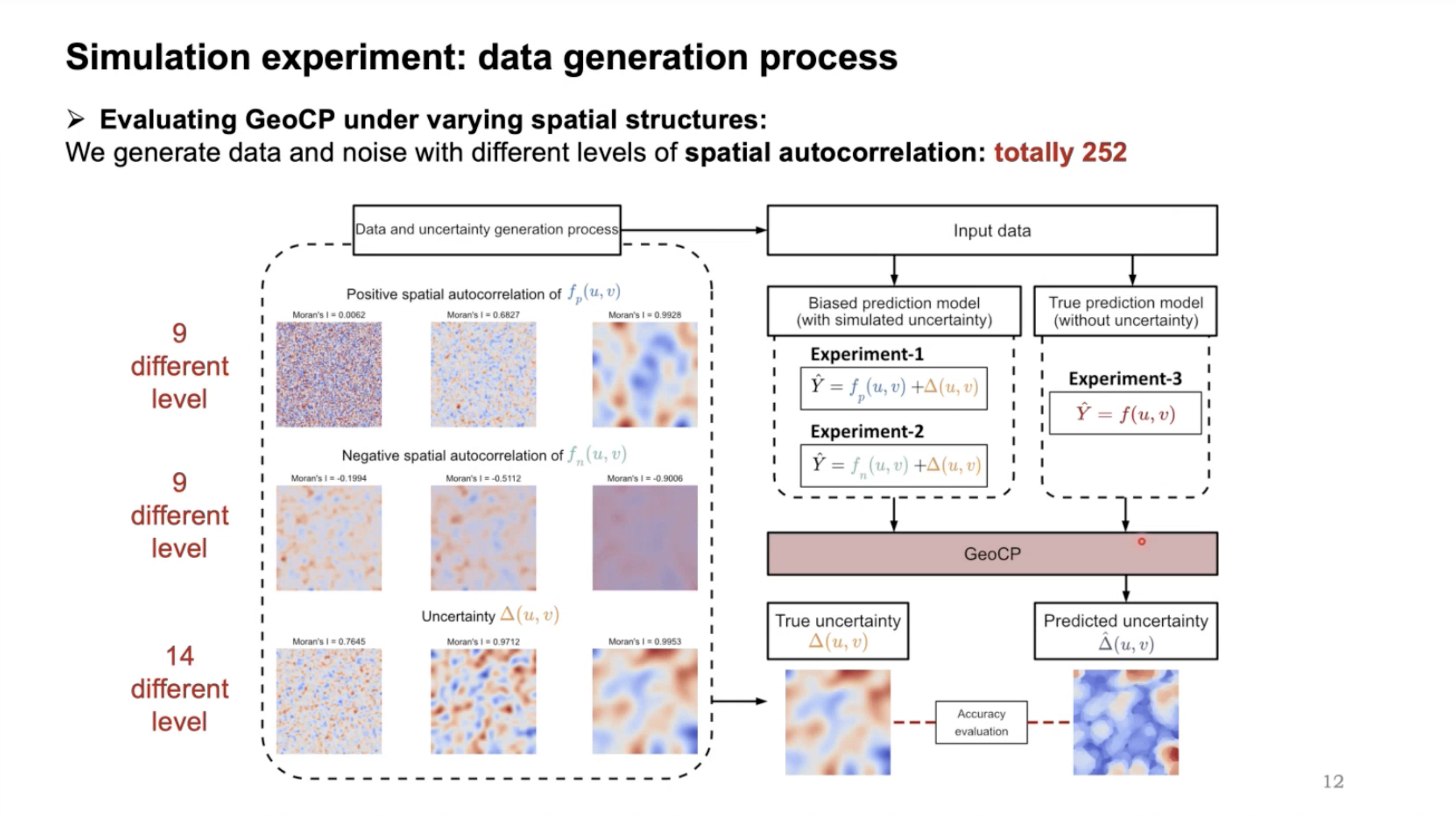 | Jianghao Wang, Chinese Academy of Sciences Using Big Data to Study Environment Change and Human Behavior 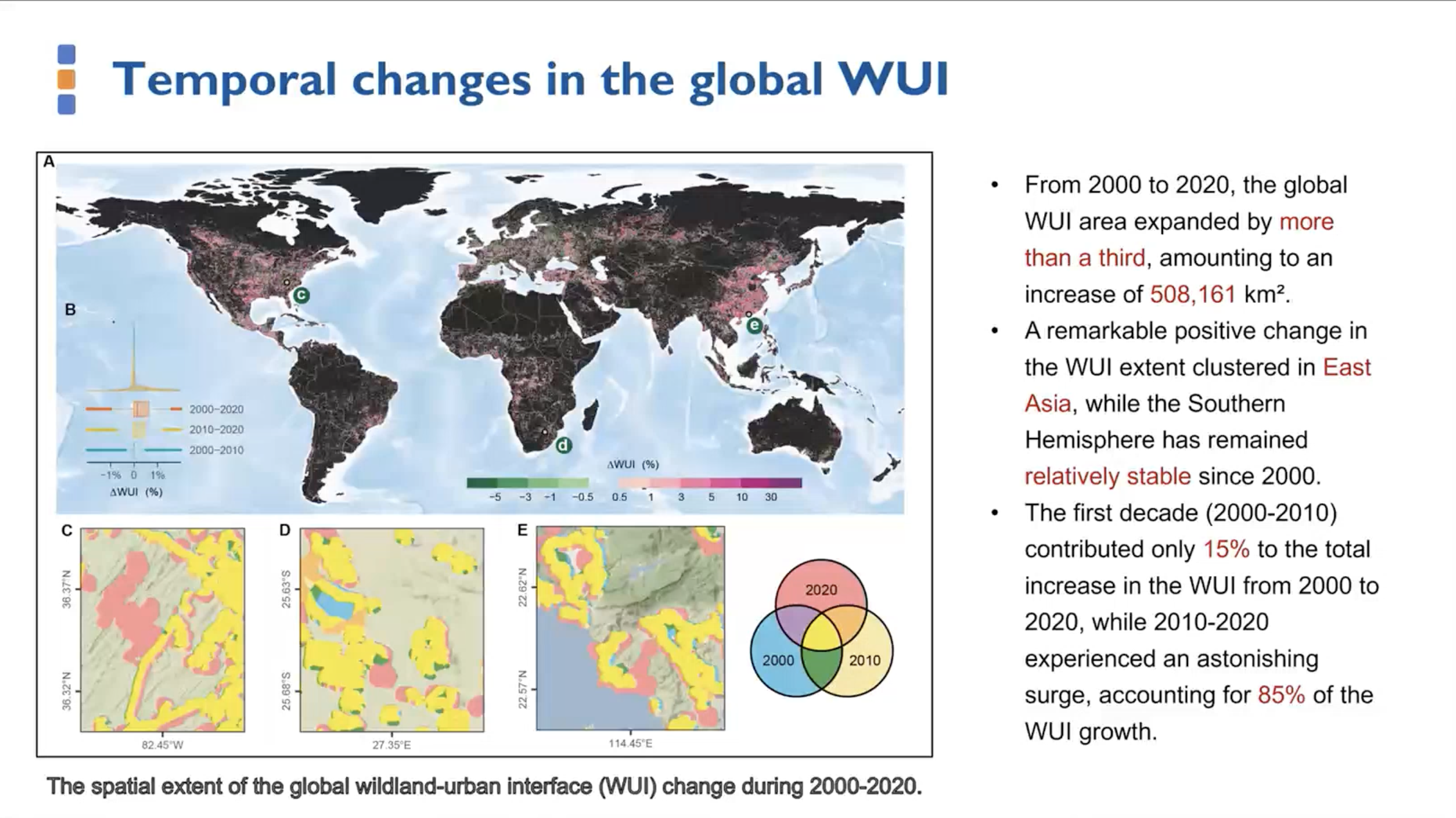 |
| Xuecao Li, China Agricultural University Global urbanization monitoring and modeling 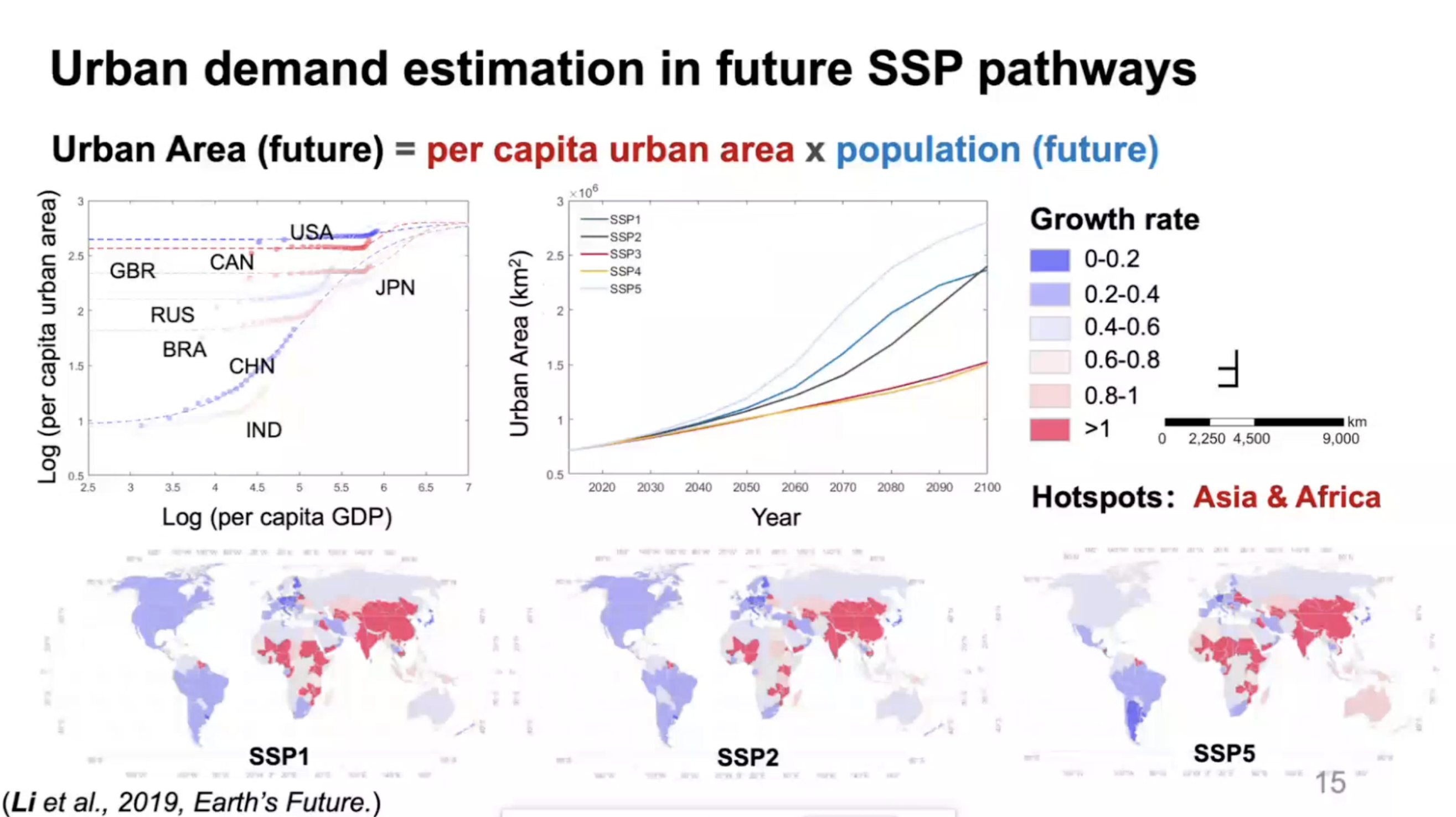 | Wei Luo, National University of Singapore, Singapore Is Trade Decoupling from China after US-China Trade War and COVID-19? 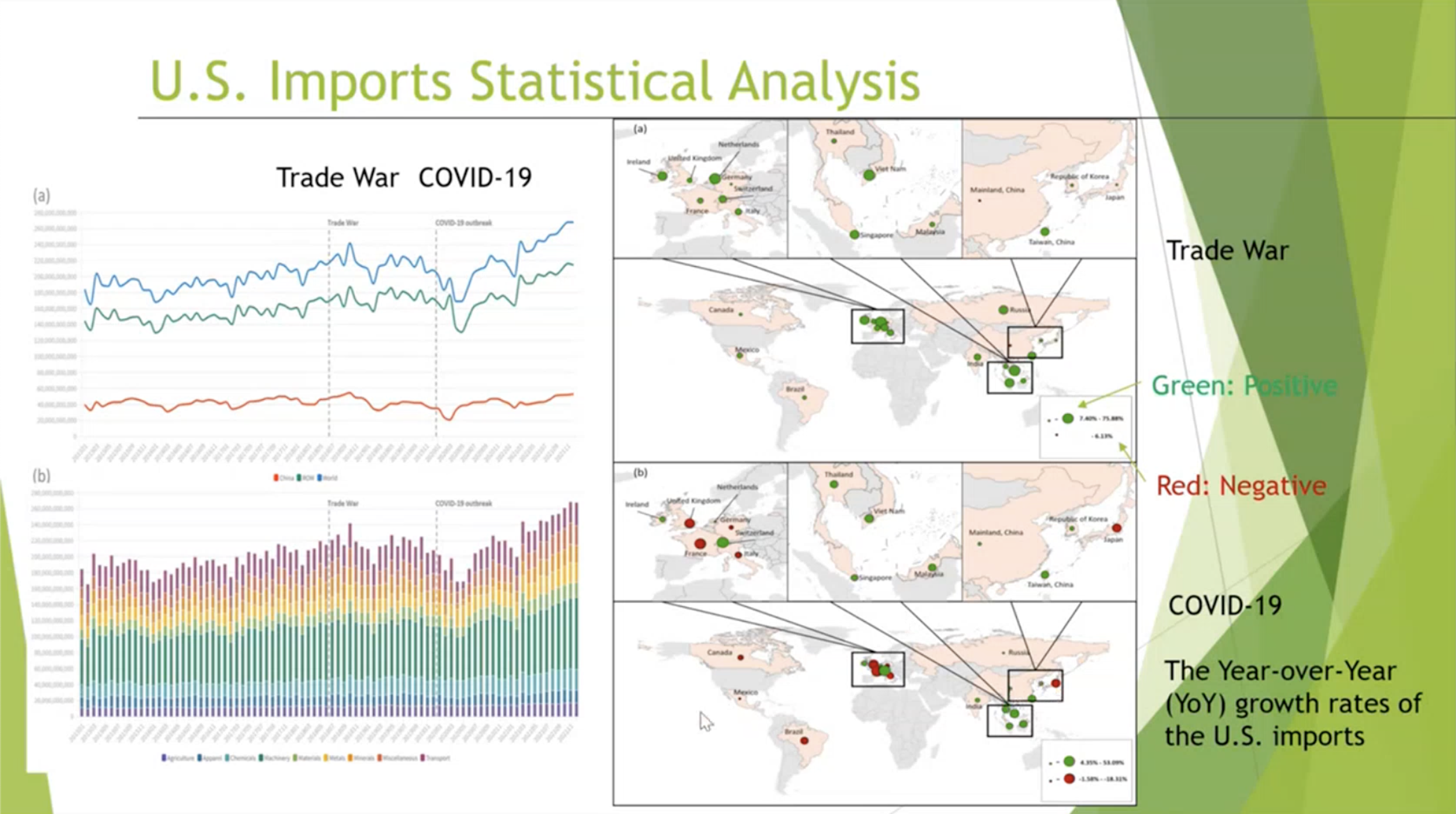 |
Session 2
| Cheolhee Yoo, Hong Kong Polytechnic University Mapping Industrial Lands for Sustainable Urban Development 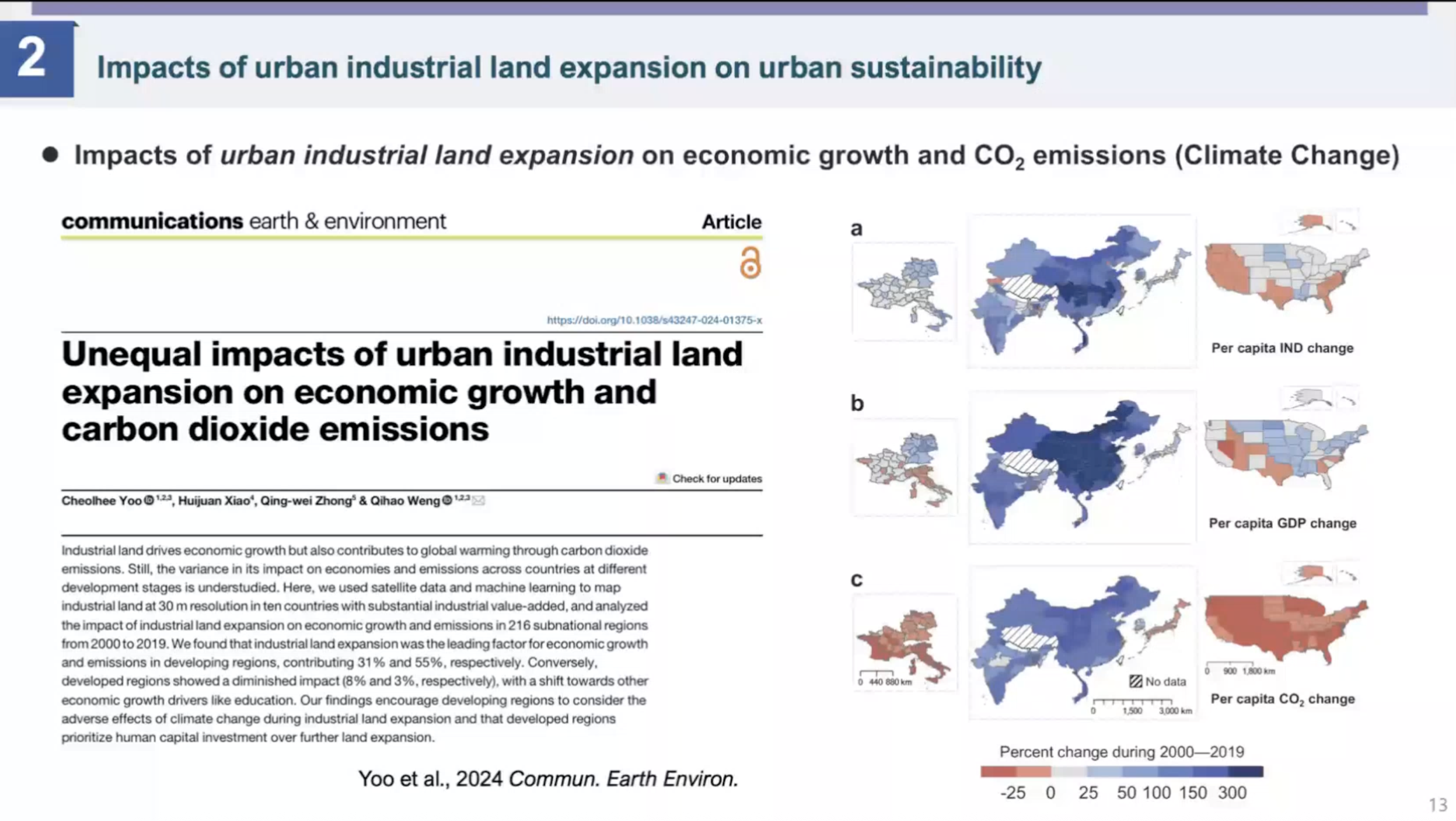 | Liu Zhao, University of Tasmania, Australia A LLM-Driven GeoAI Pipeline for Sustainable Development Indicators: Conversational Insights 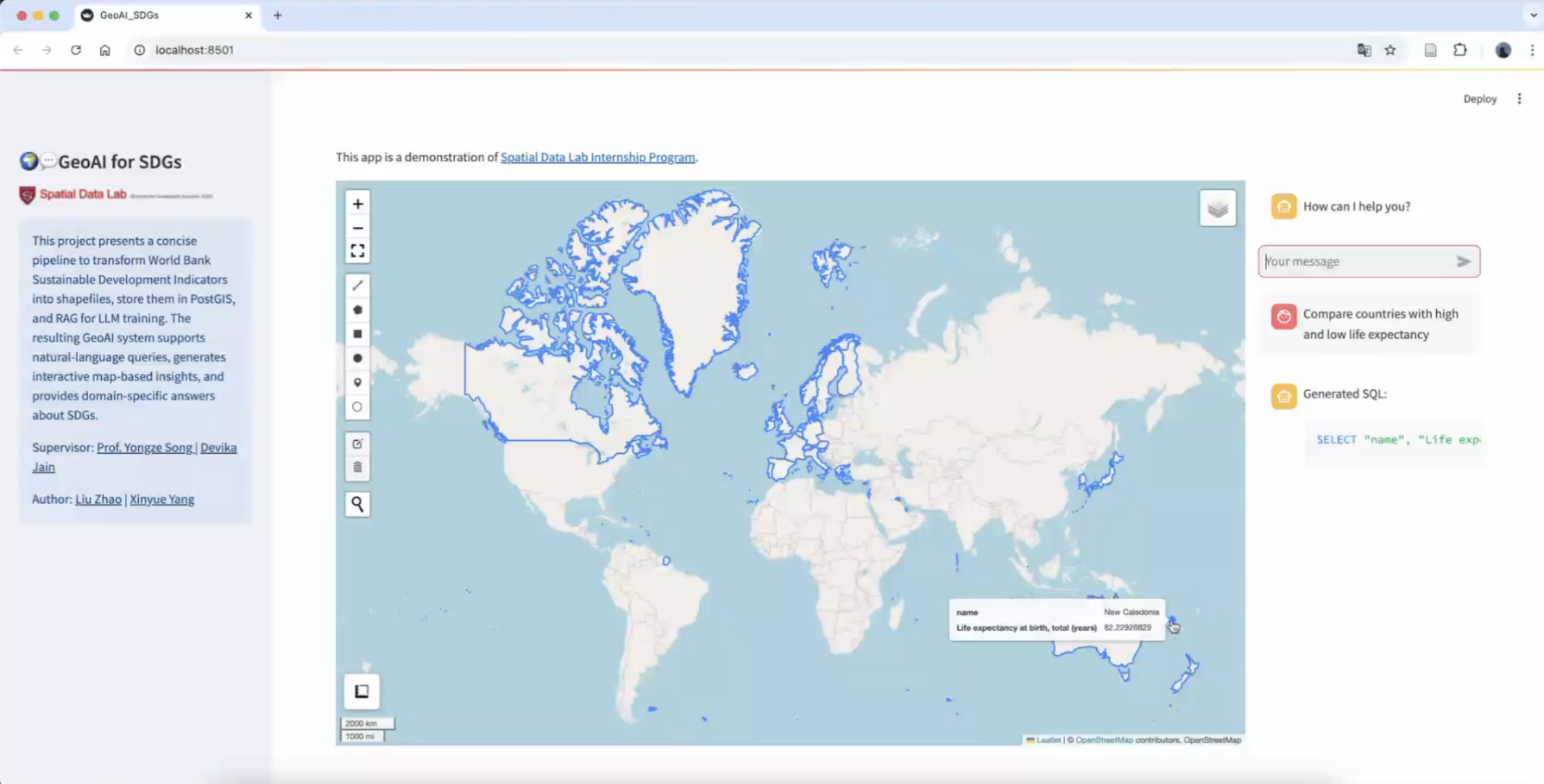 |
| Guanpeng Dong, Henan University Deep spatial climate econometrics 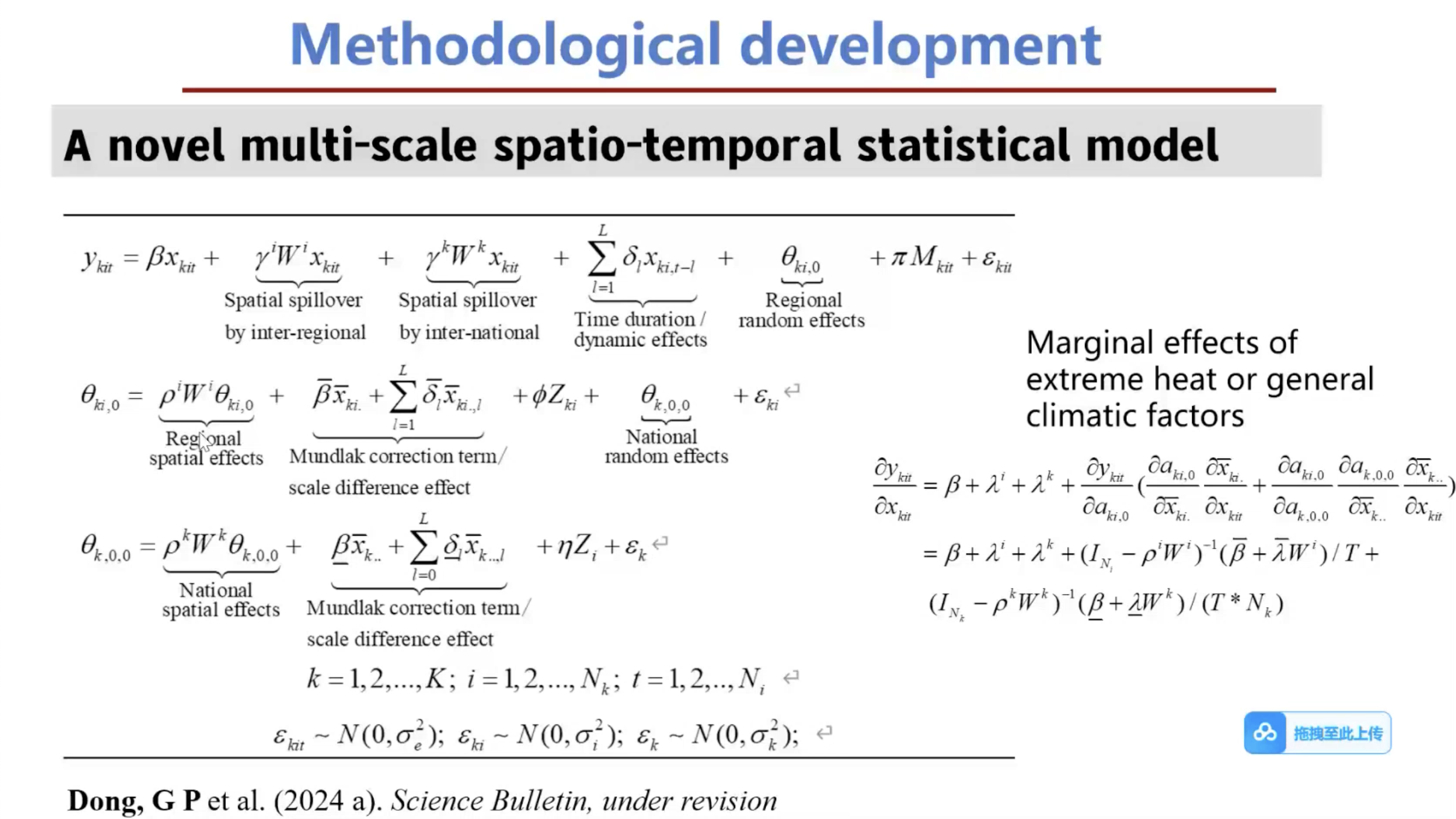 | Zeqiang Chen, China University of Geosciences WHU-SGCC: an approach for blending daily satellite (CHIRP) and precipitation observations over the Jinsha River basin 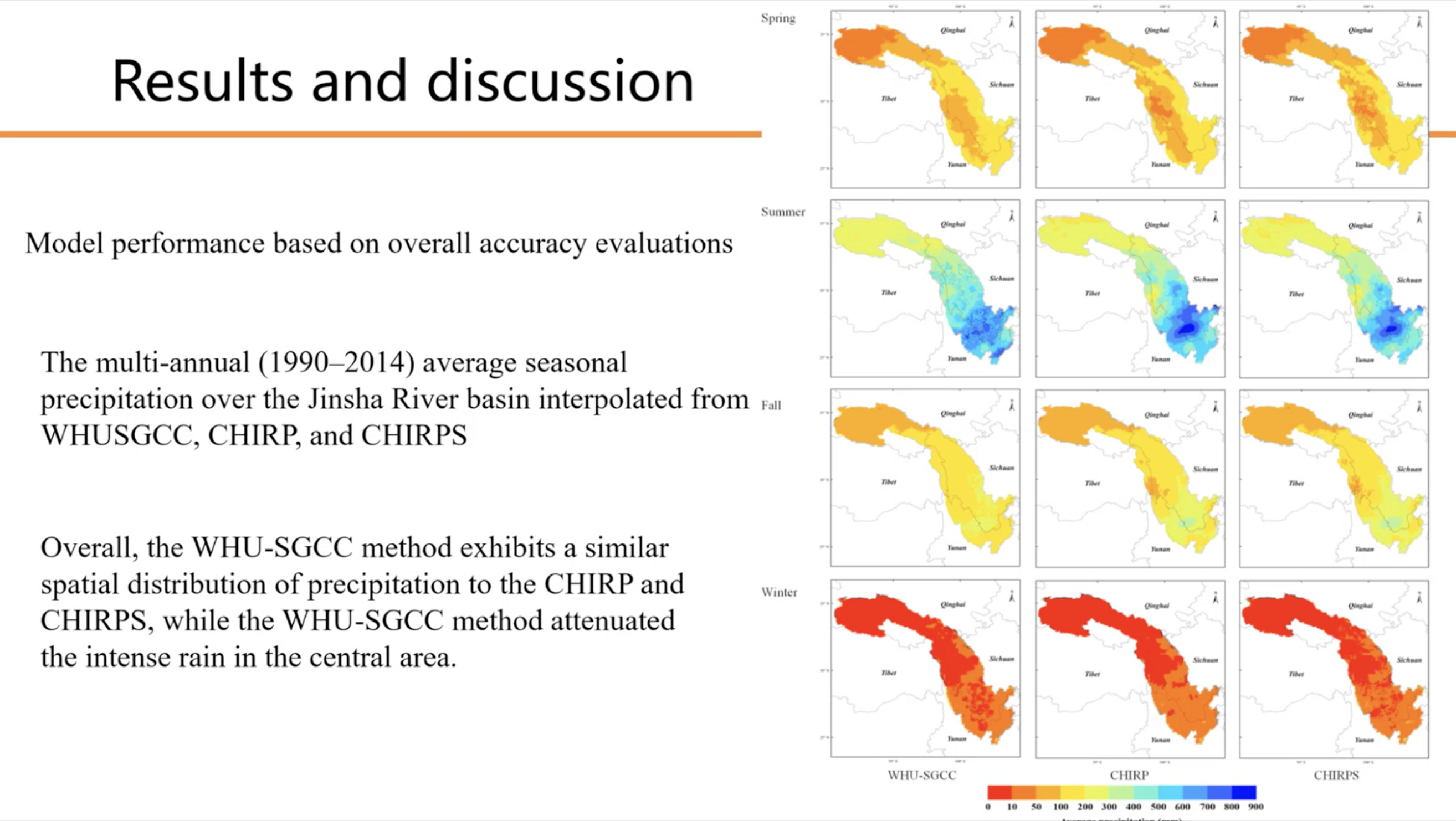 |
Session 3
| Yanfang Sun, Taiyuan University of Technology; Curtin University, Australia The cyclical fluctuations of the construction industry 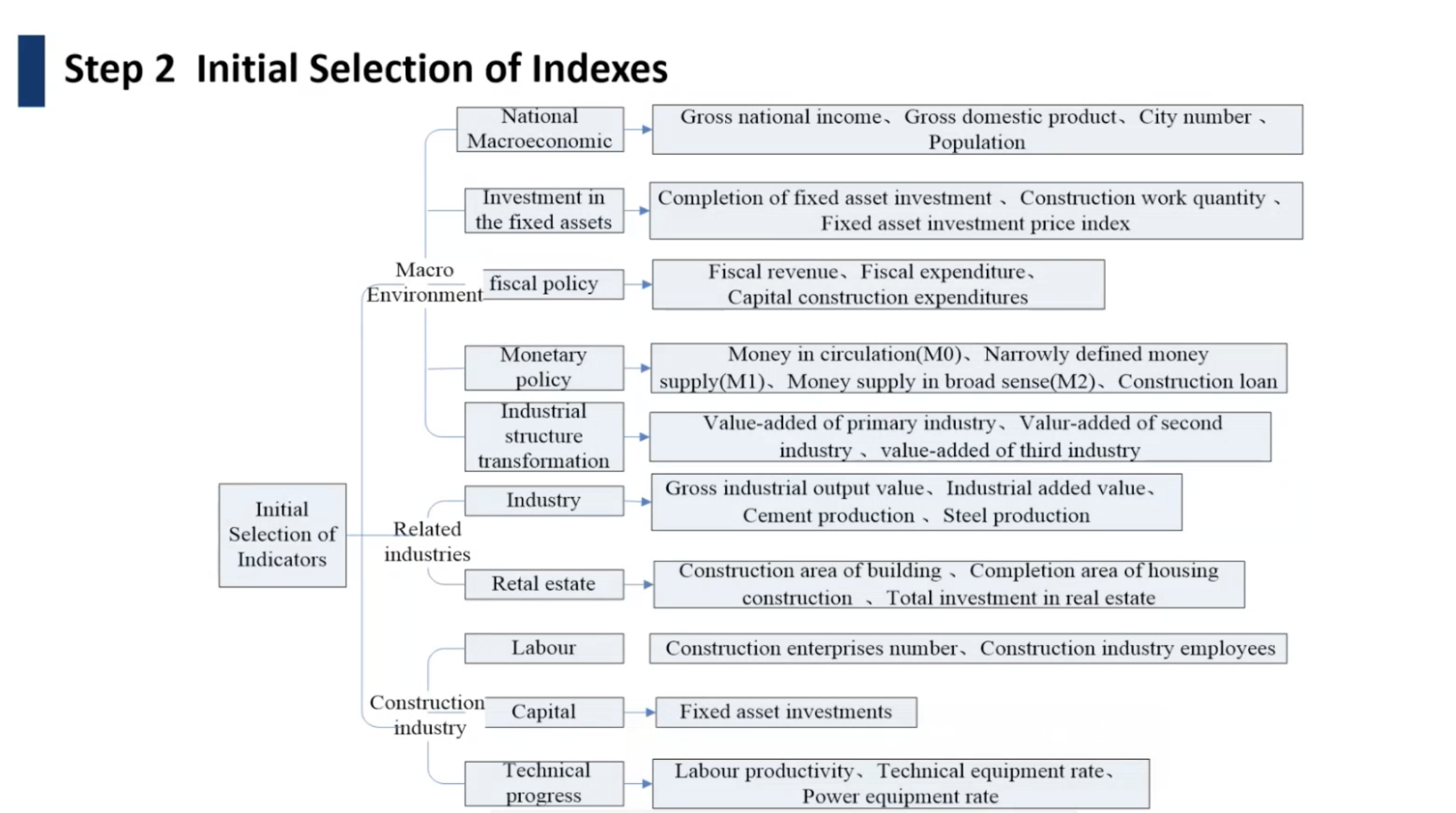 | Fillipe Feitosa, TU Dortmund University, Germany Rethinking Spatial Dependencies in Socioeconomic Modeling 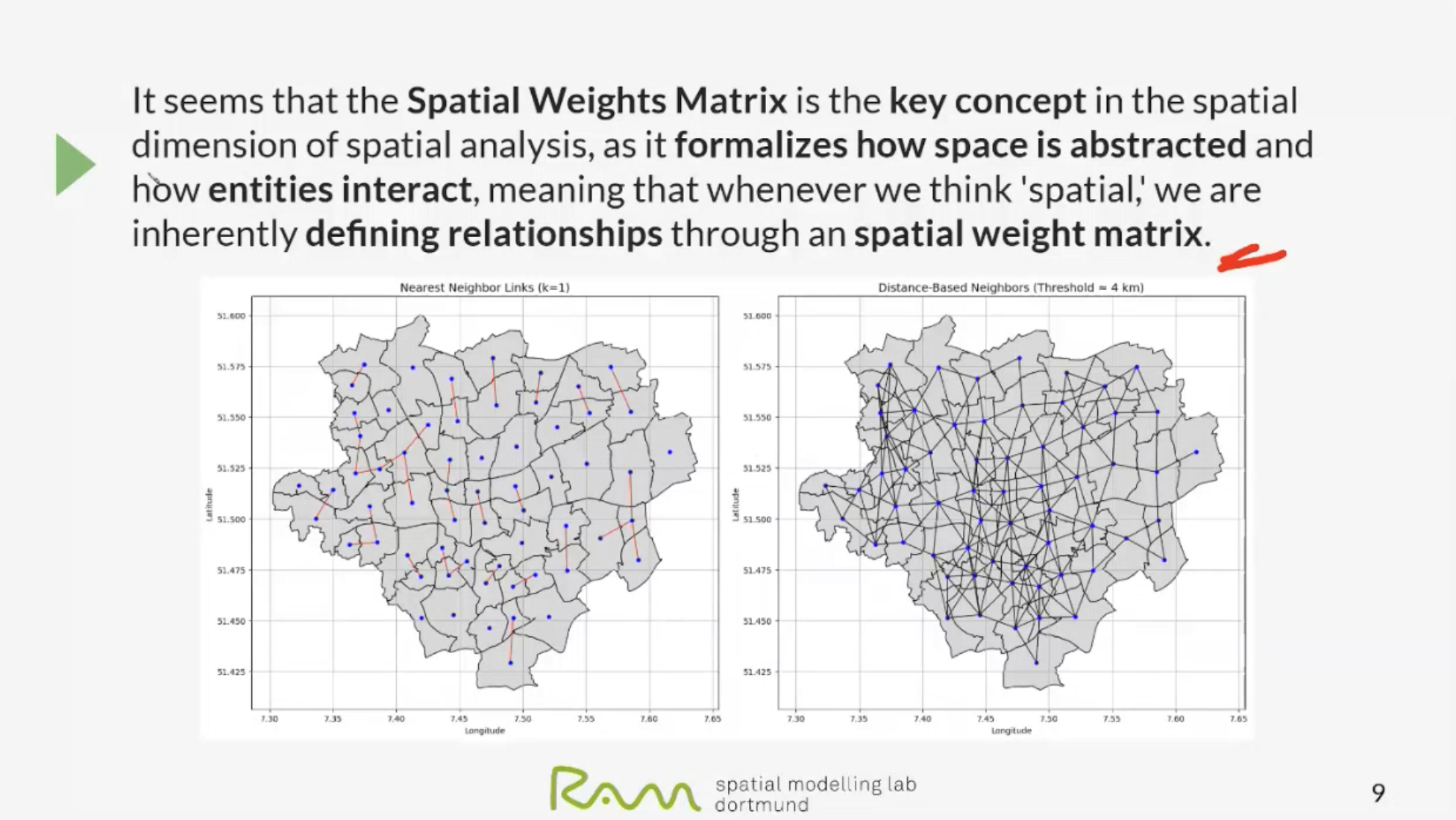 |
Session 4
| Yogender Yadav, Polytechnic University of Turin, Italy Landscape goes Digital – Energy Digital Twins with Geospatial Datasets 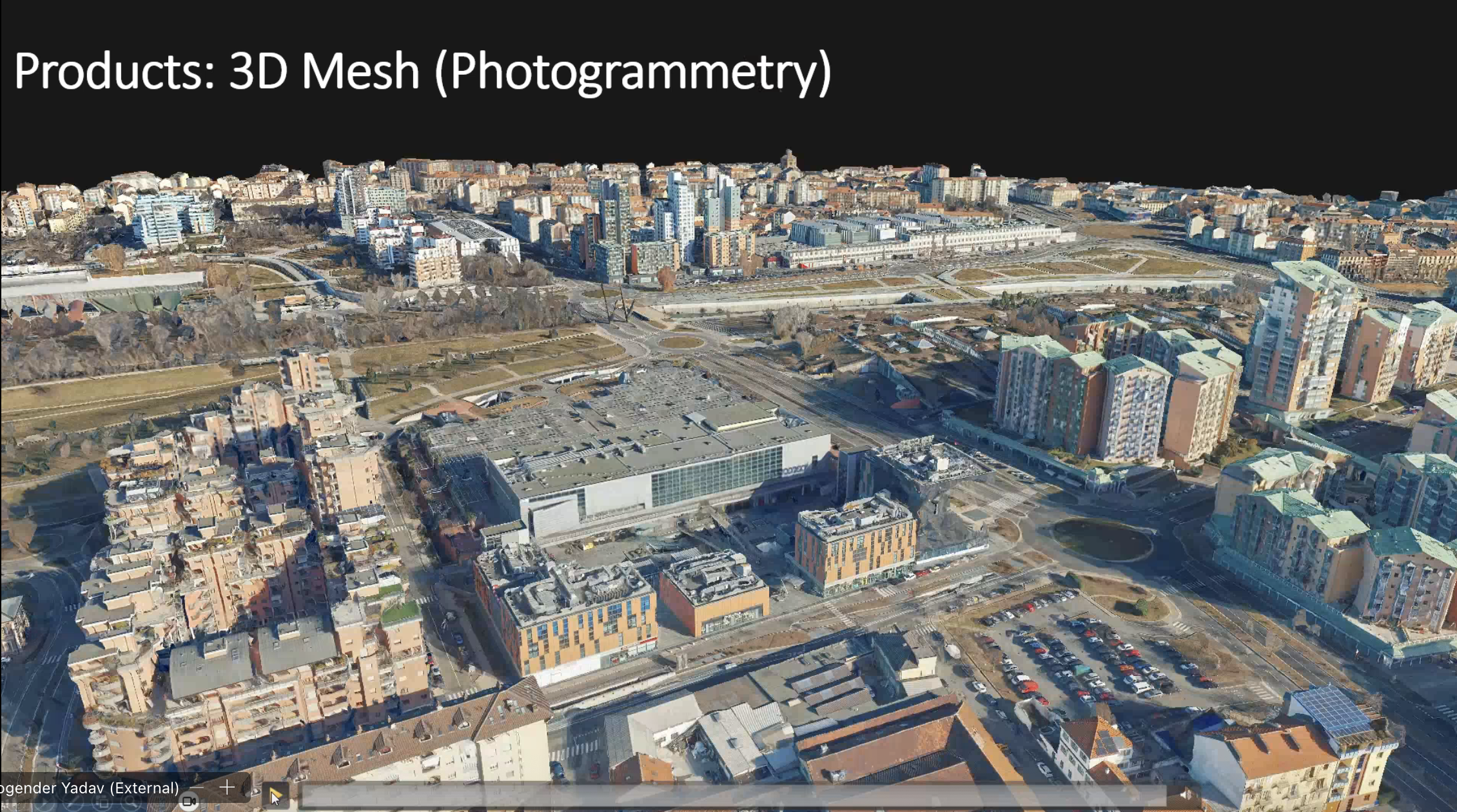 | Chuanhao Wu, Hohai University Reconstruction of terrestrial water storage data in China based on VIC and MLP-ANN models 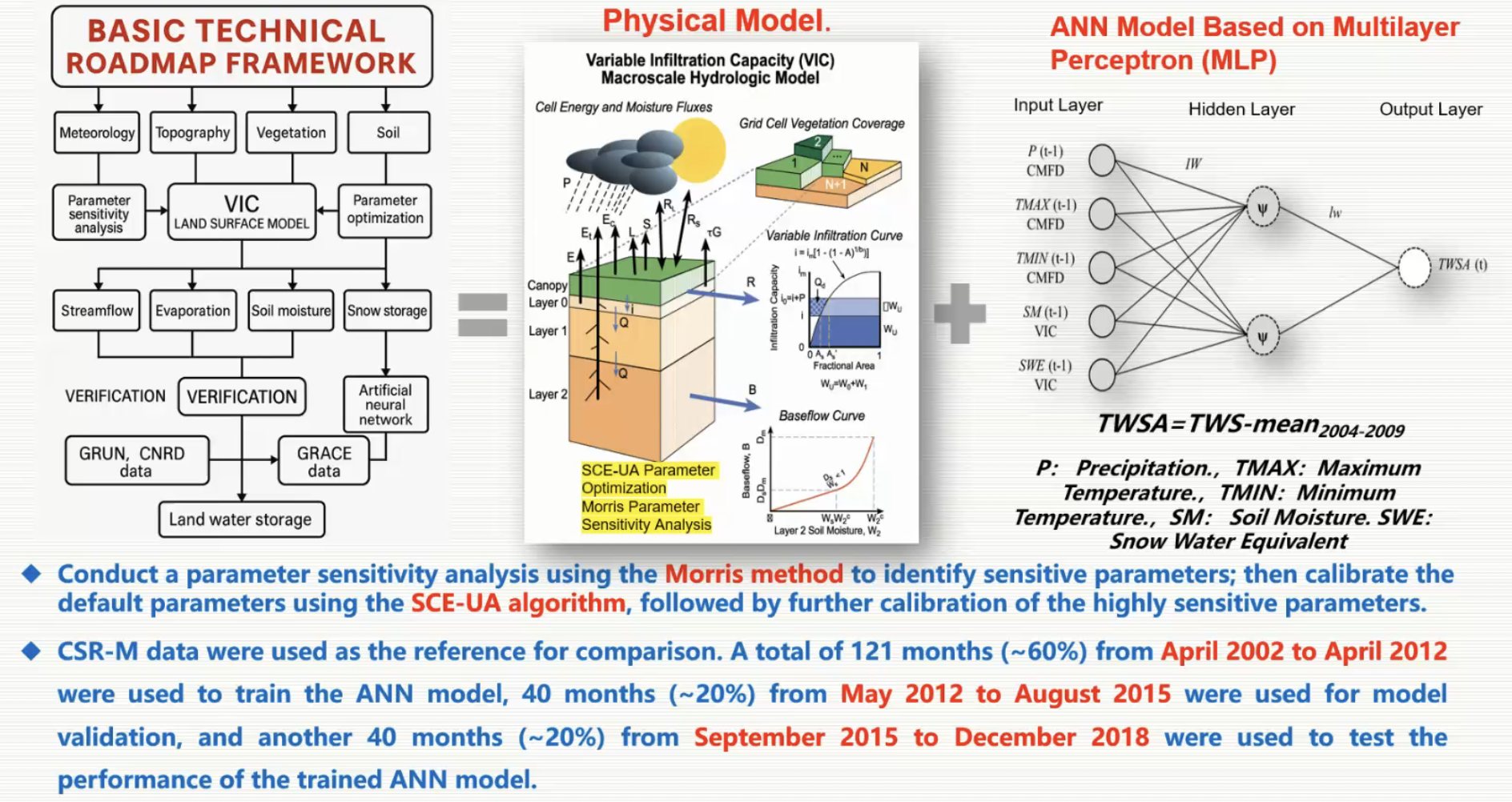 |
Agenda
workshops
The upcoming workshop has featured active researchers from Australia and beyong presenting their latest work, with a special focus on scholars in the field of spatial theories and methods.
The workshop will feature 14 presenters from Australia and other four countries.
Join the “Australian Workshop on Spatial Methods” by clicking this MS Teams link
MS Teams Meeting ID: 437 588 598 769. Passcode: m8wMTa
Date: 12 April 2025, Saturday
Program
| Time (Perth / Beijing time) | Presenter | Topic |
|---|---|---|
| Opening 9:00 – 9:30 | Opening Yongze Song, Curtin University, Australia | Introduction to the workshop |
| Session 1 Starts at 9:30 Perth/Beijing time, or 18:30 California time, or 21:30 US EST | Chair Cheolhee Yoo, Hong Kong Polytechnic University | // |
| 9:30 – 9:45 | Australian and MIT Team: Peng Luo, Massachusetts Institute of Technology (MIT), United States | GeoConformal Prediction: A model-agnostic framework for measuring the uncertainty of spatial prediction |
| 9:45 – 10:00 | Jianghao Wang, Chinese Academy of Sciences | Using Big Data to Study Environment Change and Human Behavior |
| 10:00 – 10:10 | Q&A | |
| 10:10 – 10:25 | Xuecao Li, China Agricultural University | Global urbanization monitoring and modeling |
| 10:25 – 10:40 | Wei Luo, National University of Singapore, Singapore | Is Trade Decoupling from China after US-China Trade War and COVID-19? |
| 10:40 – 10:50 | Q&A | |
| Session 2 Starts at 10:50 Perth/Beijing time, or 19:50 California time, or 22:50 US EST | Chair Peng Luo, Massachusetts Institute of Technology (MIT), United States | // |
| 10:50 – 11:05 | ISSM Committee Member Cheolhee Yoo, Hong Kong Polytechnic University | Mapping Industrial Lands for Sustainable Urban Development |
| 11:05 – 11:20 | Australian and Harvard SDL Program Team: Liu Zhao, University of Tasmania, Australia | A LLM-Driven GeoAI Pipeline for Sustainable Development Indicators: Conversational Insights |
| 11:20 – 11:30 | Q&A | |
| 11:30 – 11:45 | Guanpeng Dong, Henan University | Deep spatial climate econometrics |
| 11:45 – 12:00 | Zeqiang Chen, China University of Geosciences | WHU-SGCC: an approach for blending daily satellite (CHIRP) and precipitation observations over the Jinsha River basin |
| 12:00 – 12:10 | Q&A | |
| Break 12:10 – 15:00 | Break | |
| Session 3 Starts at 15:00 Perth/Beijing time, or 9:00 Italy or Germany time | Chair Yogender Yadav, Polytechnic University of Turin, Italy | // |
| 15:00 – 15:15 | Australian Team: Yanfang Sun, Taiyuan University of Technology; Curtin University, Australia | The cyclical fluctuations of the construction industry |
| 15:15 – 15:30 | ISSM Committee Member: Fillipe Feitosa, TU Dortmund University, Germany | Rethinking Spatial Dependencies in Socioeconomic Modeling |
| 15:30 – 15:40 | Q&A | |
| Session 4 Starts at 15:40 Perth/Beijing time, or 9:40 Italy or Germany time | Chair Fillipe Feitosa, TU Dortmund University, Germany | // |
| 15:40 – 15:55 | Australian and Harvard SDL Program Team: Yogender Yadav, Polytechnic University of Turin, Italy | Landscape goes Digital – Energy Digital Twins with Geospatial Datasets |
| 15:55 – 16:10 | Chuanhao Wu, Hohai University | Reconstruction of terrestrial water storage data in China based on VIC and MLP-ANN models |
| 16:10 – 16:20 | Q&A | |
| Closing 16:20 – 16:40 | Open discussion and Closing |
What People Say
“I am pretty sure that it could be very fruitful to discuss with you and your colleagues about theory and methods in quantitative geography.”
— Thierry Feuillet, Professor in Geography, University of Caen Normandy, France
We invite you to
share your featured research
on spatial theories and methods to broader fields and researchers.

 Spatial Methods